- CATALOGUE Call now for Enquiry
- +91-9694337264
- info@riteshexports.com

Incentive finance end in 30 days, empty extra money would be removed
October 2, 2026This type of slots are simple, usually featuring symbols including fruit, bars, and sevens
October 2, 2026Real Money Blackjack Gameplay AUD: Strategy, Limits And Local Fit
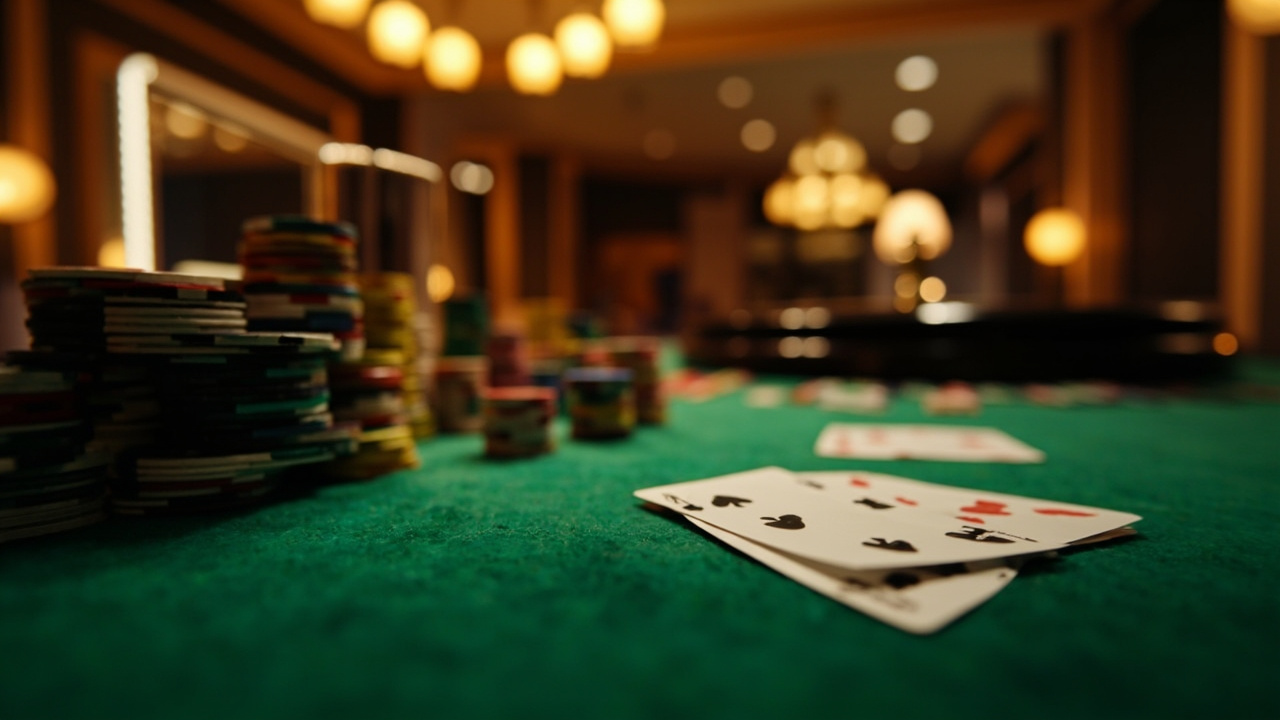
Real money blackjack gameplay AUD sits at the intersection of skill and chance, and for independent operators like our storefront Lindsay Gray at D’Vinci Group, the discipline required mirrors how professionals structure research workflows. You are not chasing a magic formula; you are managing decisions against fixed rules. In Sydney pubs and clubs, the pace feels slower than overseas platforms, but the maths does not change. This review treats the game as a controlled activity with real limits, not a shortcut to income.
Hard Totals And The Cost Of A Bad Call
When your first two cards add up to a stiff total, the temptation to deviate from basic strategy is loud, but the long run punishes guessing. A solid approach starts with a written chart and the discipline to follow it when the arvo crowd gets noisy around the felt. You can read more in our hard hands strategy guide if you want the full breakdown, because memorising when to stand on sixteen versus a dealer seven separates casual play from deliberate play. The table below shows how a single repeated error compounds across a session.
| Error type | Frequency per hour | Estimated cost at $25 a hand |
|---|---|---|
| Standing on soft 17 vs dealer 6 | 4 decisions | $40-60 drift |
| Hitting hard 12 vs dealer 4 | 6 decisions | $60-90 drift |
| Doubling late with weak totals | 2 decisions | $30-50 drift |
These numbers are illustrative, not a promise of outcomes, and they assume a steady rhythm rather than a tilted session. Some venues pump subtle scents into the air, which studies link to increased spending, so a player who relies on gut feel rather than a plan can lose track of time and bankroll together. That is why a compact strategy reference matters more than a lucky streak ever will.
Bankroll Boundaries And The Ripple Effect
A session plan is less glamorous than a winning hand, but it is what keeps a Tuesday night from turning into a week of regret. Set a loss limit before you sit down, decide your unit size as a fraction of that limit, and walk away when the line is crossed rather than negotiating with yourself. For every problem gambler, researchers estimate several other people are affected, which is a sobering reason to treat limits as non-negotiable rather than flexible suggestions. If you are tracking results the way Lindsay Gray would audit a client workflow, you would log decisions, not just outcomes, so you can see where variance and poor choices diverge.elvis frog trueways
- Define a stop-loss figure in writing before cards are dealt.
- Choose a unit size that leaves room for variance without panic.
- Set a time cap, because fatigue degrades decision quality fast.
- Record the reason for every deviation from your plan.
Payments, Registration And Everyday Usability
On the operational side, real money blackjack gameplay AUD works best when the account setup is straightforward and the currency matches what you actually spend. Registration should ask for the basics, verification should be clear about what documents are needed, and the balance should display in dollars so you are not mentally converting every bet. Mobile access is useful for checking tables on the move, but a crowded screen with tiny buttons is a poor fit for a game that already demands concentration. Support should answer a straightforward question without making you repeat yourself three times, and a loyalty structure is only worthwhile if the points convert into something you would use rather than a coupon you will ignore.
A Contrarian View From The Floor
Not everyone agrees that disciplined play is the whole story. A Sydney club manager once told me that regulars who follow charts rigidly can actually slow the room down, because the game is partly about rhythm and partly about the social texture of a busy Friday arvo. From that operator’s perspective, the players who survive longest are not always the ones with the neatest strategy cards; they are the ones who know when to step away and let the table breathe. That is a fair point, and it does not cancel out the maths, but it does remind us that blackjack is played by people, not just probability tables. The disagreement is real, and neither side should be treated as unquestionably correct.
What Real Money Blackjack Gameplay AUD Is Actually Good For
As a whole, real money blackjack gameplay AUD suits people who want a game with visible rules, a manageable pace, and a clear line between entertainment and overexposure. Its identity is closer to a structured pastime than a high-octane rush, and that is a feature for players who value control. The core offer is straightforward: compete against the dealer under fixed rules, with outcomes shaped by decision quality as much as by the shuffle. Two or three traits stand out: the game rewards repetition and study, the pace is easier to regulate than faster-card games, and the rules are public enough that you can prepare before you play. Everyday usability depends on the venue or platform, but the underlying game is consistent enough to build a repeatable routine around. The overall fit is strongest for players who already think in terms of limits, records, and follow-through, and weakest for anyone expecting a shortcut.

Conclusion
Real money blackjack gameplay AUD is best treated as a disciplined session with a defined exit, not a project with a guaranteed finish line. The maths rewards preparation, the setting shapes how easily you stick to your plan, and the people around the table influence how long you stay sane. If you approach it like a controlled task rather than a cure for a quiet night, you give yourself a fairer shot at enjoying the game without letting it run the show.